Navigating the process of a Microsoft license audit
In the ever-changing digital environment, keeping up with software licenses can be challenging. When you encounter a Microsoft license audit, it may seem difficult. This

Sealocrete products are widely used in construction and renovation.
This site provides clear information about what they do, how they work,
and what to keep in mind when using them.
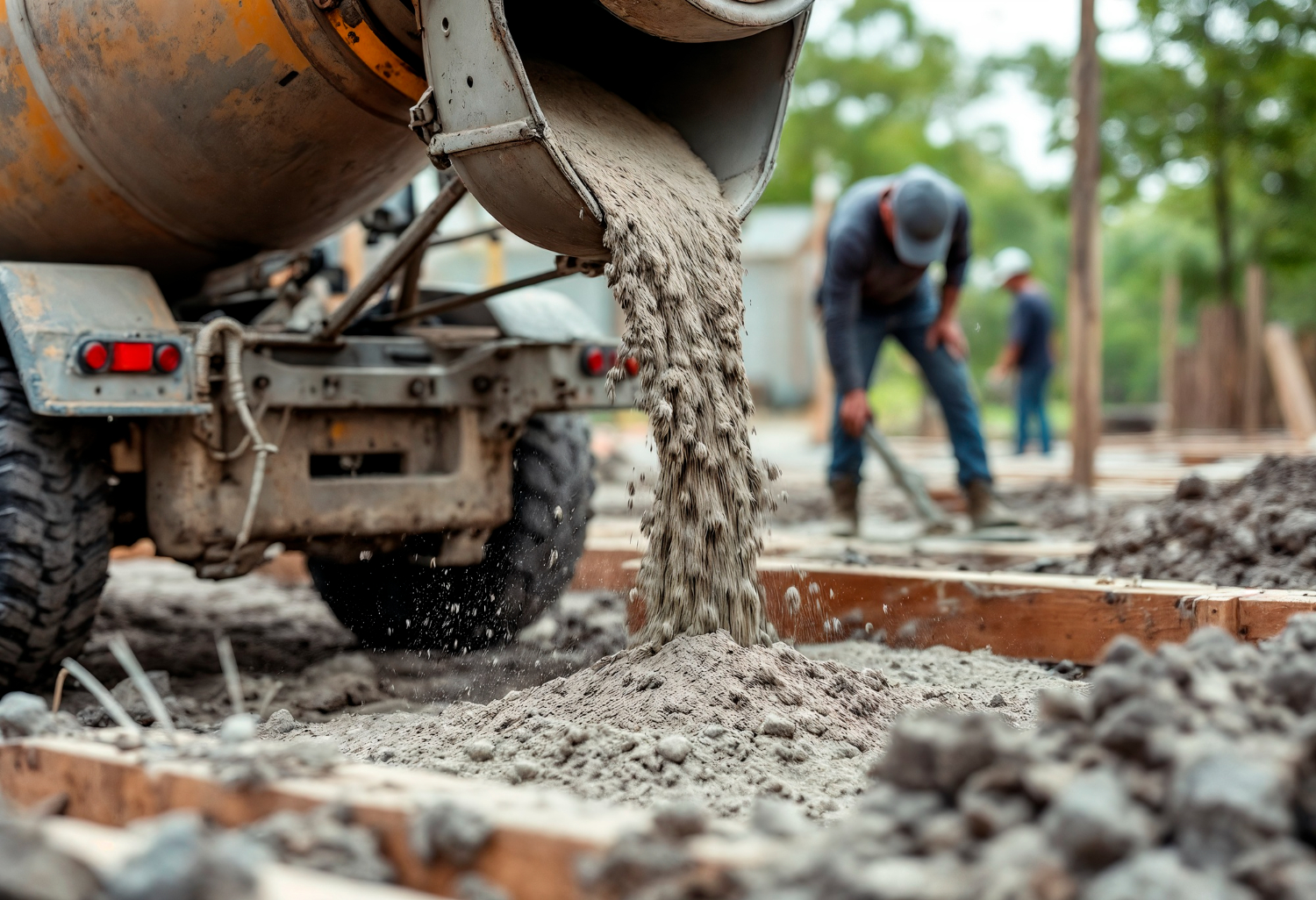
A typical concrete mix follows a 1:2:3 ratio—1 part cement, 2 parts sand, 3 parts gravel. This gives a balanced blend of strength and workability for most construction tasks.
Concrete usually takes about 28 days to reach full strength. After 7 days, it gains roughly 70% of its final strength, which is often strong enough for light use.
For repair mortars, a minimum thickness of 10 mm is recommended. Thinner layers may not bond well, especially on uneven or dusty surfaces.
Repair mortars often need a bonding agent if applied over old concrete. These help improve adhesion and reduce the chance of cracks.
Before applying mortar, clean the surface thoroughly. Remove dust, oil, and loose debris for proper bonding and long-term durability.
Always add water gradually. Using too much water weakens the mix. For consistent results, use a mixing paddle at low speed for 2–3 minutes.
Sealants are used to close gaps and keep moisture out—especially around windows, doors, baths, and roofs. Choosing the right type and applying it correctly makes a big difference in how long it lasts and how well it works.
Clean the joint, apply tape to get neat lines, then use a steady squeeze and smooth the bead with a wet finger or tool. Work in sections no longer than 1 meter to keep control over the finish.
Silicone is flexible and waterproof, ideal for bathrooms and kitchens. Acrylic is easier to paint and often used around interior frames. Choose based on movement, exposure to water, and whether you need to paint over it.
Most sealants skin over in 5 to 20 minutes, but full curing may take up to 24 hours. Silicone generally cures faster than acrylic. Avoid contact with water or dust during this period.
Stone and concrete attract dirt, algae, and cement residue over time. Using the right cleaner helps restore the original look without damaging the surface. Acid-based cleaners are strong, but must be used with care.
Outdoor surfaces like paving, brick, and concrete are exposed to rain, frost, dirt, and sunlight. A sealer forms a barrier that helps reduce wear, stains, and water damage.
A penetrating sealer helps keep water out while allowing the surface to breathe. This lowers the chance of frost damage and algae growth.
Some sealers slightly darken stone or concrete, enhancing the natural color. Always test on a small area first to see the effect.
Sealed surfaces are easier to sweep and rinse. Dirt stays more on the surface instead of getting deep into the material.
Most sealers need reapplying every 2 to 4 years. Traffic, weather, and product type affect how long the protection lasts.

In the ever-changing digital environment, keeping up with software licenses can be challenging. When you encounter a Microsoft license audit, it may seem difficult. This

In today’s connected society, locating a therapist who communicates in English is an important step for both expatriates and non-native individuals in search of mental

In the pursuit of a thriving garden, it’s essential to ensure your plants have robust root systems for their health and growth. Roots provide stability,